
Impostor syndrome
Bloom goes the dynamite
Bloom goes the dynamite

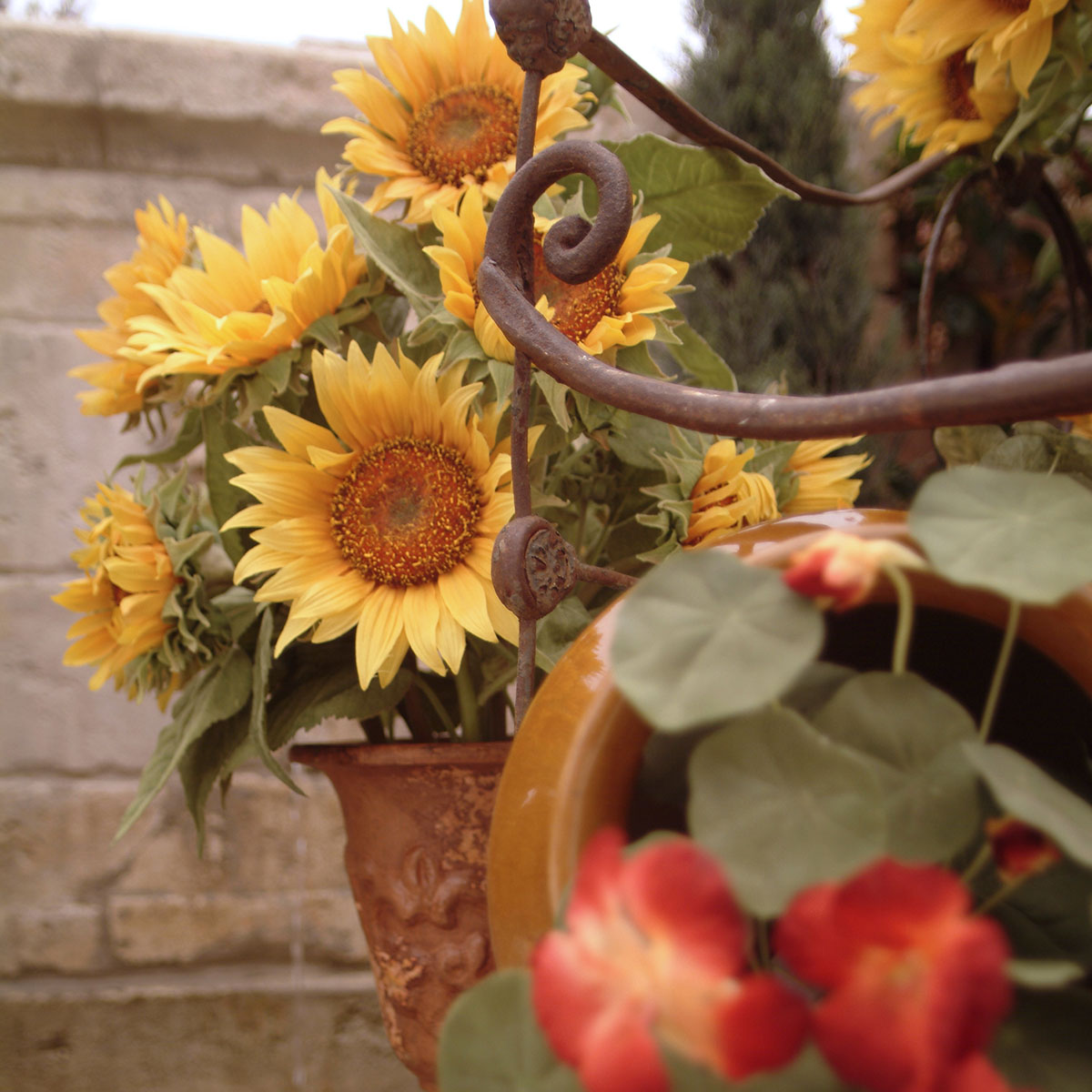
There’s a game people play on social media. Somebody posts a photo and people guess whether it’s a real photo or AI.
Take a good look at the image above. What do you think?
If you said AI, you’d be wrong. If you said it’s a photo of real flowers, you’d also be wrong.
I had the pleasure of working with a talented group of artists at a home décor company. I say home décor because it’s not cool to call it what it really was: an artificial flower company.
When you work at an artificial flower company (there, I said it) you have to follow some basic rules. You can never say “fake” flowers. Ironically, that’s not dignified enough. On the other hand, you can’t beclown yourself with that “permanent botanicals” nonsense either. This garden has a very narrow path.

It’s not enough to have great sales and happy customers. You’re always trying to prove that your flowers are just as good as fresh cut. We went so far as developing flowers that smelled like real flowers. Their petals felt soft and had tiny natural imperfections, just like flowers from your garden. They were remarkable and would literally last forever. But they weren't enough.
It was never enough.
The company therapist told me that my persistent feelings of inadequacy would be more manageable if I contemplated other artificial things that people loved, like artificial hearts. I thought about it but came to the conclusion that people buying our products, like people with artificial hearts, would rather have the real thing.

You may be surprised to learn that there is a class system in the fake flower world. We sold the good stuff, of course. Our lines were far superior to that crap the other guys sold to Walmart.
My department supported a network of salespeople who traveled the country selling our flower stems, foliage, and beautifully made arrangements—plus an extensive line of Christmas trees and holiday décor—to specialty boutiques and upscale retailers.
Back in the office, we provided advertising, sales literature, and notably, catalogs, which were a monumental and expensive undertaking.
During one season, budget concerns became a big problem, so I did what any good marketing director would do. I went on a spending spree.
I hired additional staff, built a new photography studio outfitted with all-new equipment, and went on multiple photography tours in Asia.
It's not what you're thinking. I took the catalog production operation in-house and, in the process, cut catalog costs in half, saving more than $300K per year.
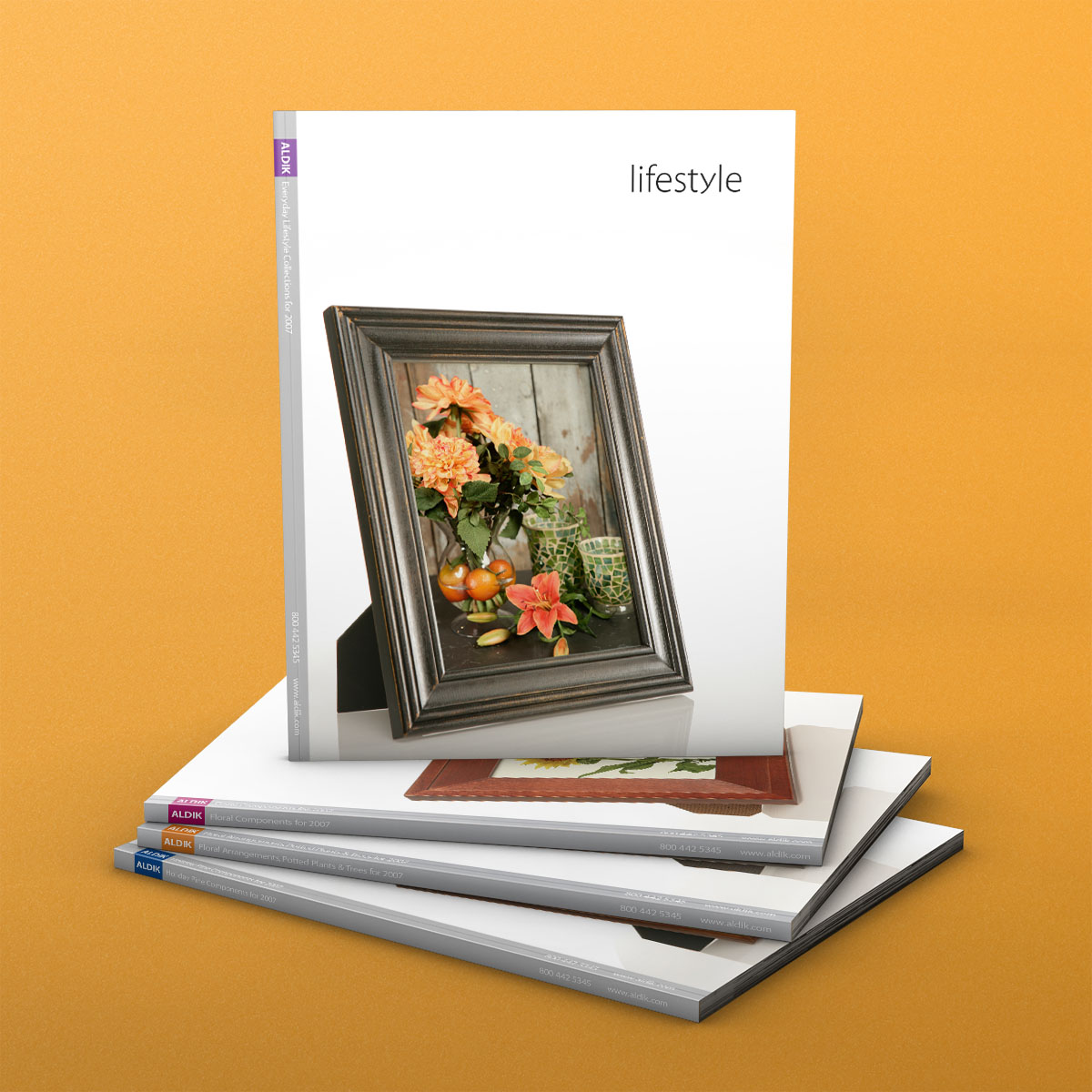
The revamped catalog set showcased more than 20,000 home decor products in six 100-page catalogs. More than just a colossal undertaking, these catalogs were beautiful.
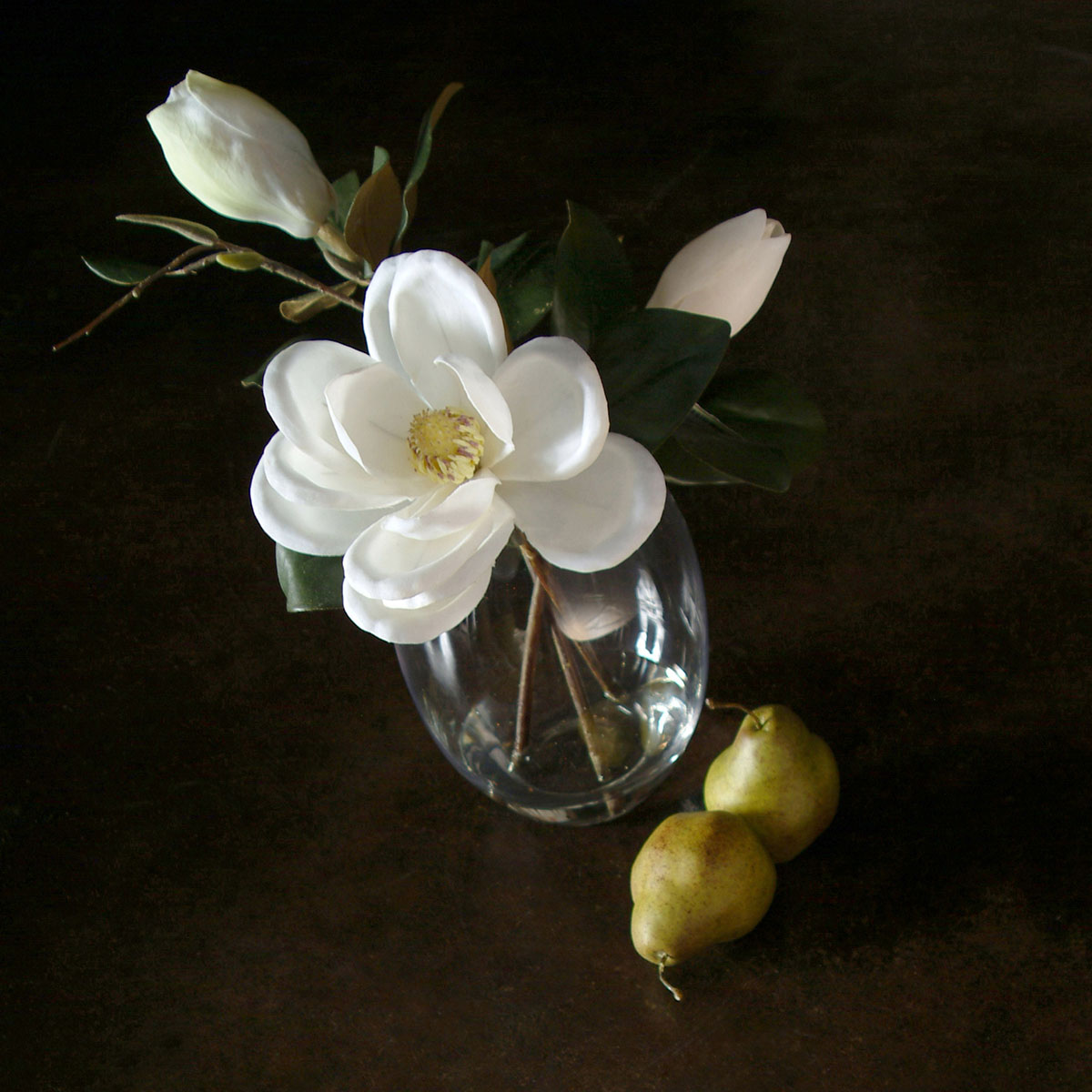
And they were beautiful largely because of the tireless work of Karl Mortensen. An incredible photographer, Karl spanned the globe each year capturing thousands of product shots with breathtaking artistry and technical precision. Karl is him.
By all accounts, the catalog revamp was a huge success. We expanded page counts, printed more copies of each book, added a lifestyle catalog, and still saved more than $300K per year. And since we streamlined workflows and added automation, we did it all faster—and, I think, better—than before.
Catalog design: Jeff Hendrych
Art direction: Jeff Hendrych
Photography: Karl Mortensen
